Pen
Pen
Graduated Response Procedure
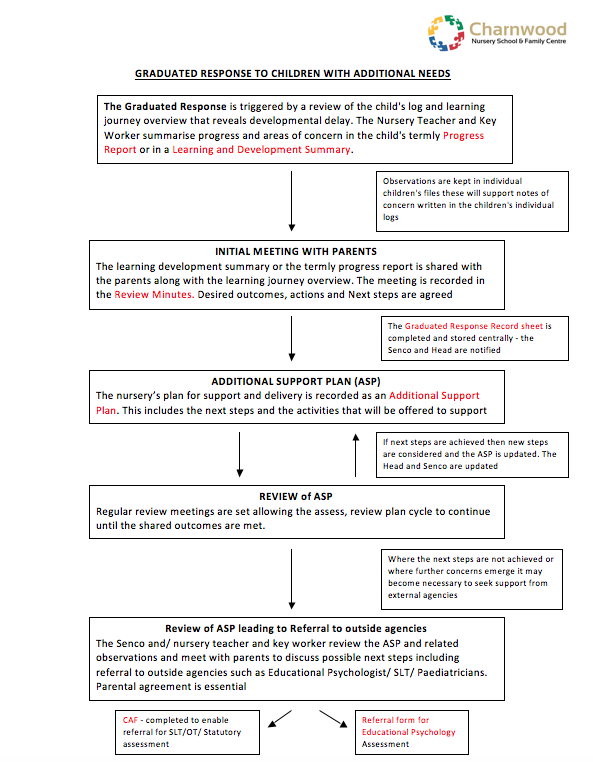
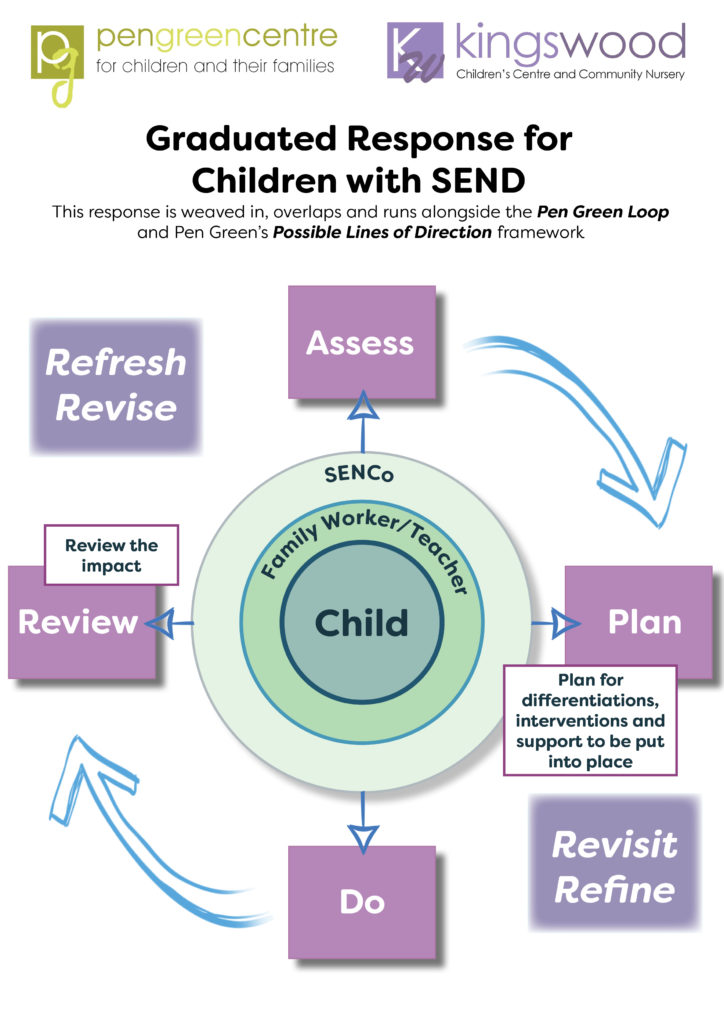
Where concerns arise these are best addressed through the Graduated Response process. It is anticipated that this process will allow parents/carers to share their insights of their own child. Practitioners need to understand the purpose of the Plan-Do-Review cycle within the context of the Graduated Response. They need to recognise that the Graduated Response does not begin when outside agencies are drawn in but far earlier when the setting begins to explore different strategies and possible styles of support.
Examples of Graduated Response

Graduated Response Paperwork


Additional Support Plans
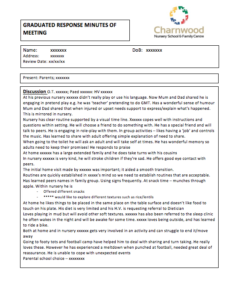
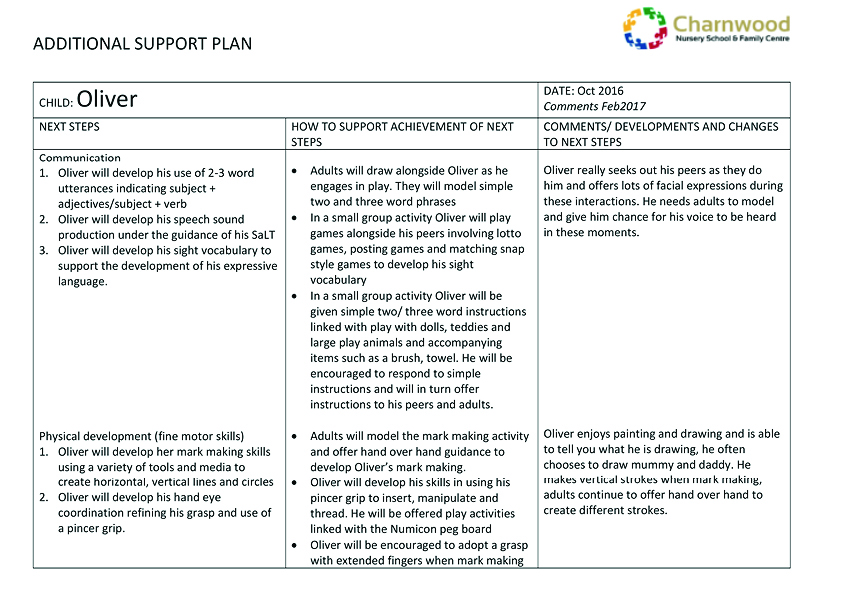
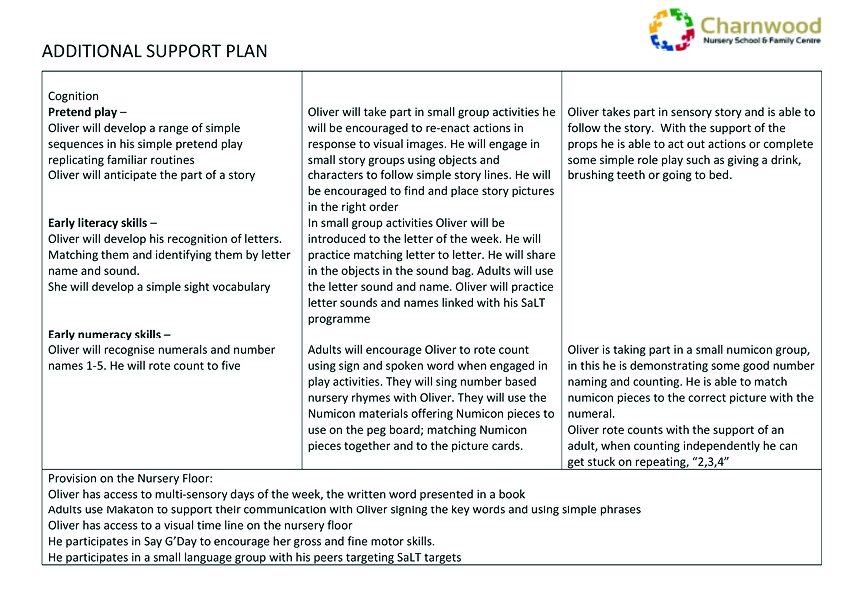
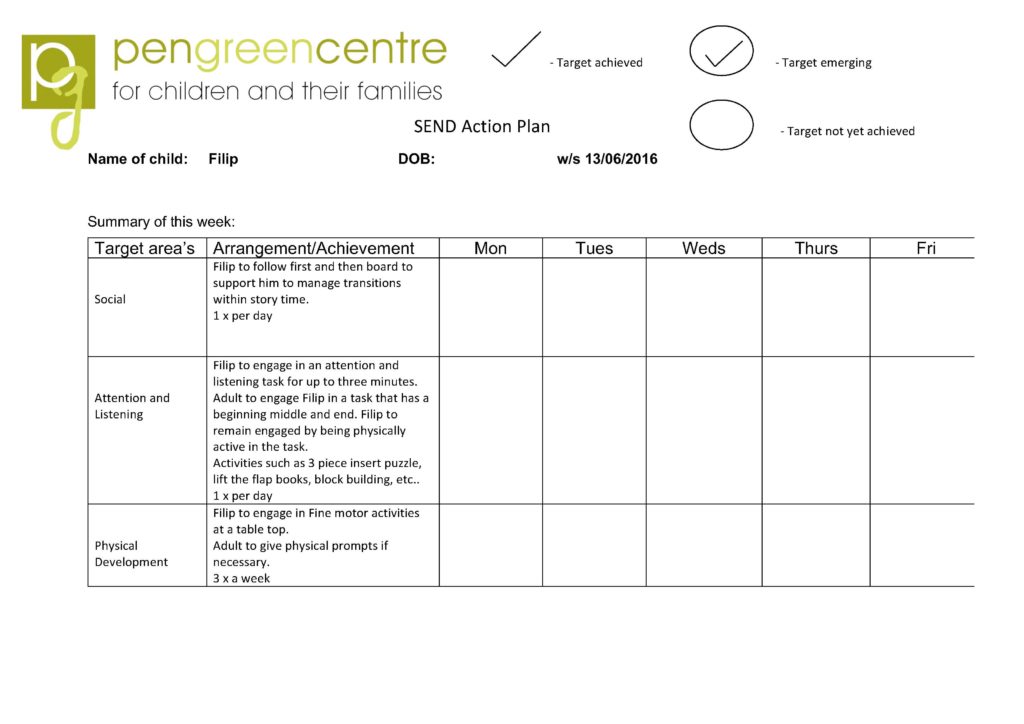
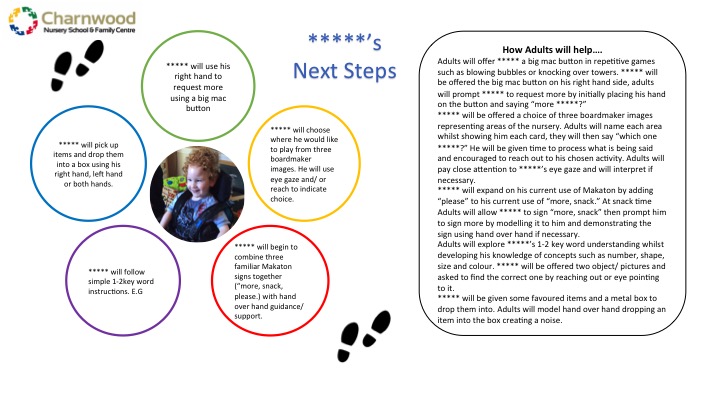
Additional Support Plans are designed for children with SEND to help them to get the most out of their education. The plan builds on the curriculum that a child with learning difficulties or disabilities is following and sets out the strategies being used to meet the child’s specific needs. At Pen Green, Additional Support Plans are initiated as part of the Plan, Do, Review cycle within the graduated response. Plans are initiated when we identify that a child requires additional support in a specific area/s. The Plan is discussed with parents, sharing that we would like to work more closely with their child in specific areas of their development and learning. Parents are informed that this will involve creating an individual SEND Additional Support Plan for their child and that the Plan will outline specific and appropriate targets that their child will work towards, either 1:1 or in a group.
NB Additional Support Plans may be referred to differently across settings – for example, Individual Education Plans, SEND Action Plan, SEND Support Plan, Child’s Next Steps.

Possible Lines of Direction
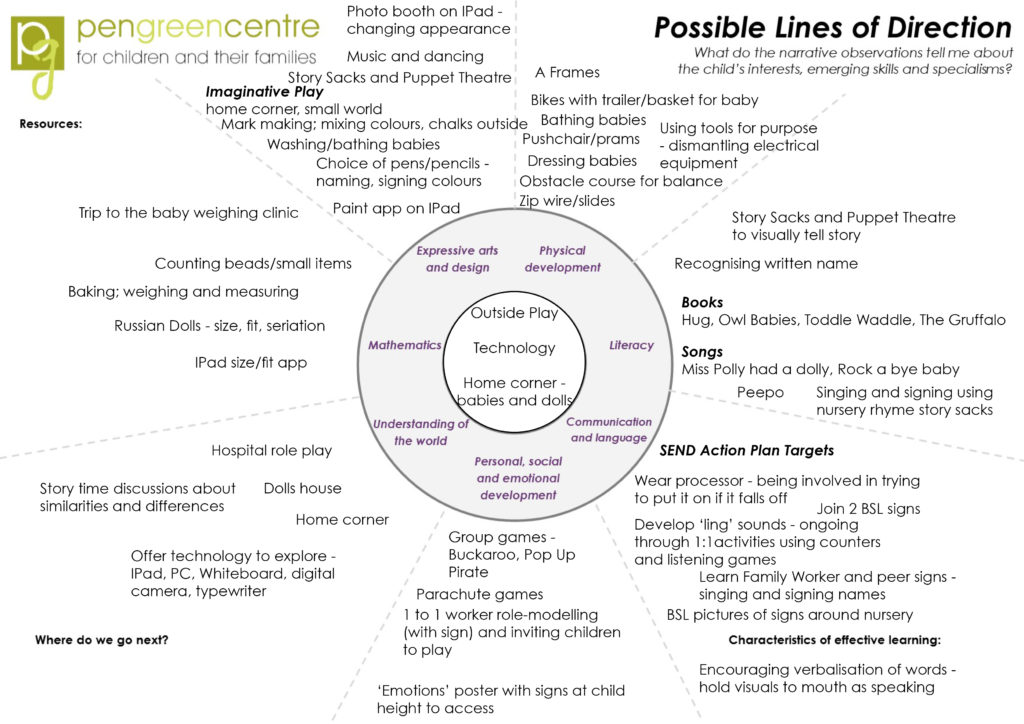
Supporting children’s learning and development requires careful consideration of the child’s interests and what they have been doing when they have been deeply involved. There are often many possible experiences through which children could develop their learning through their play.
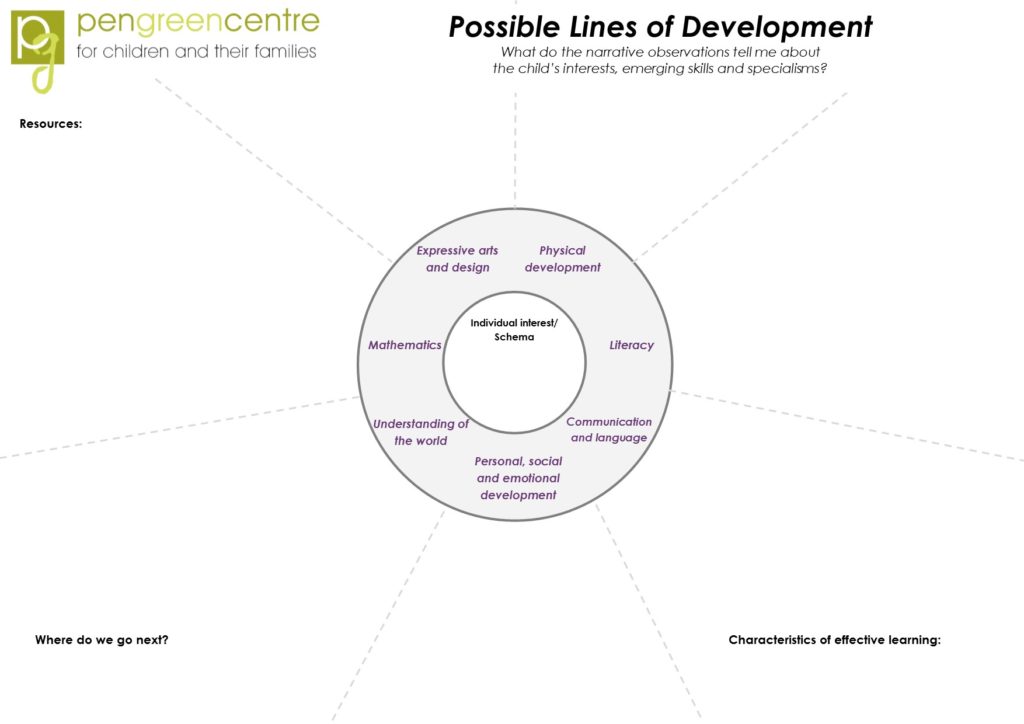
At Pen Green we record these possibilities on a ‘PLOD’ or ‘Possible Lines of Diection’ sheet. Parents and workers and children contribute to the ideas and these are recorded to enable different experiences to be offered. The PLOD is a working planning document and is added to and annotated as time passes and parents and workers have noticed what has turned out to be significant for the child and has led to further developments.
Margaret, a Family Worker at Pen Green writes,
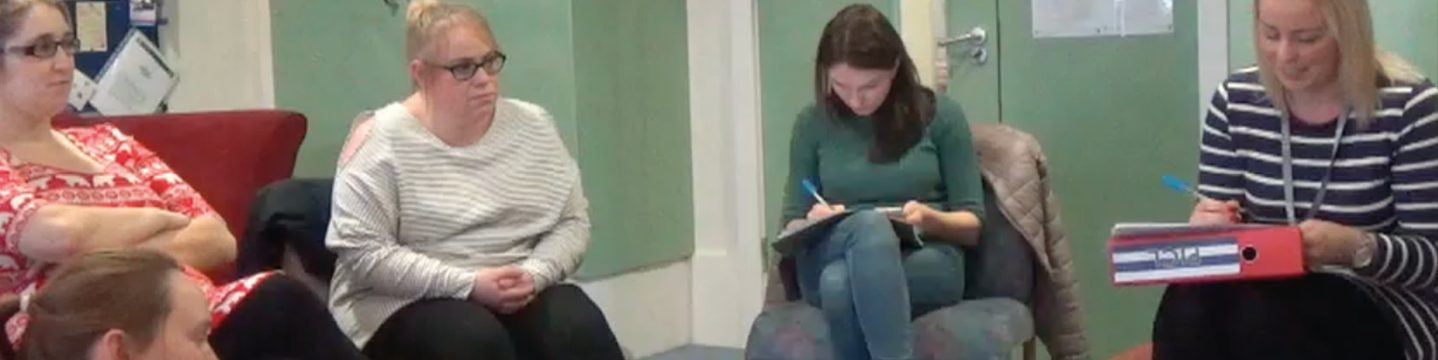
‘Every 6 weeks or so, each child in nursery becomes the focus of our observations for the session. Our analysis of the observations, together with what parents are telling us about their child and our own hunches about what the child might be trying to find out more about, help us to form an individual learning plan for the child – their PLOD – Possible Lines of Direction. We make these plans often in consultation with colleagues. It is the Family Worker’s responsibility to feed things from the child’s plan into our daily planning or to plan for experiences to happen at group times in our non-contact time or as planned trips out.
Working Wall
‘The Working Wall’ is a team planning approach that can also involve the children. It offers a fluid and evolving approach that can also be recorded digitally. It supports ‘in-the-moment planning’ that reflects children’s interests, schemas and skills, and allows children’s next steps to be made visible and accessible to the whole team.
Daily Planning
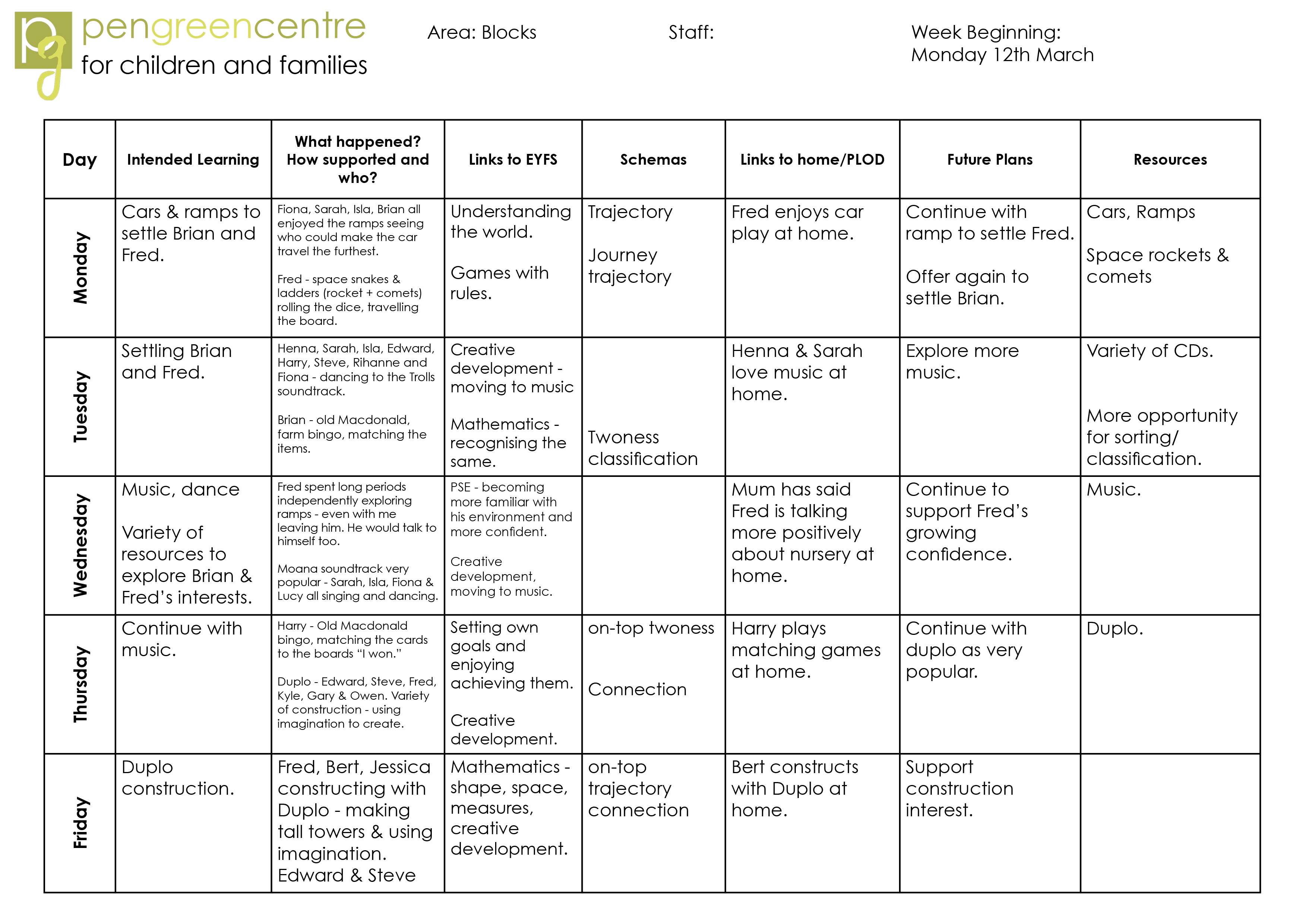
The Daily Planning sheet is placed in each named area of the nursery. The staff in the named area will set out the Intended Learning, based on the children’s interests then document what has happened in that area throughout the day. This planning supports children’s interests, schemas and learning. Staff use narrative observation, PLODs, information from parents and Child’s Voice sheets to plan for children’s learning and development opportunities at nursery. At the end of the nursery day the staff team will come together as a team and discuss and dialogue about the children’s learning. They will then plan how to deepen and extend the learning experience for the children for the following day. This is an ongoing process throughout the week.